Adaptive Interfaces in Mobile Casino Apps: Bridging Slots and Live Dealer Experiences
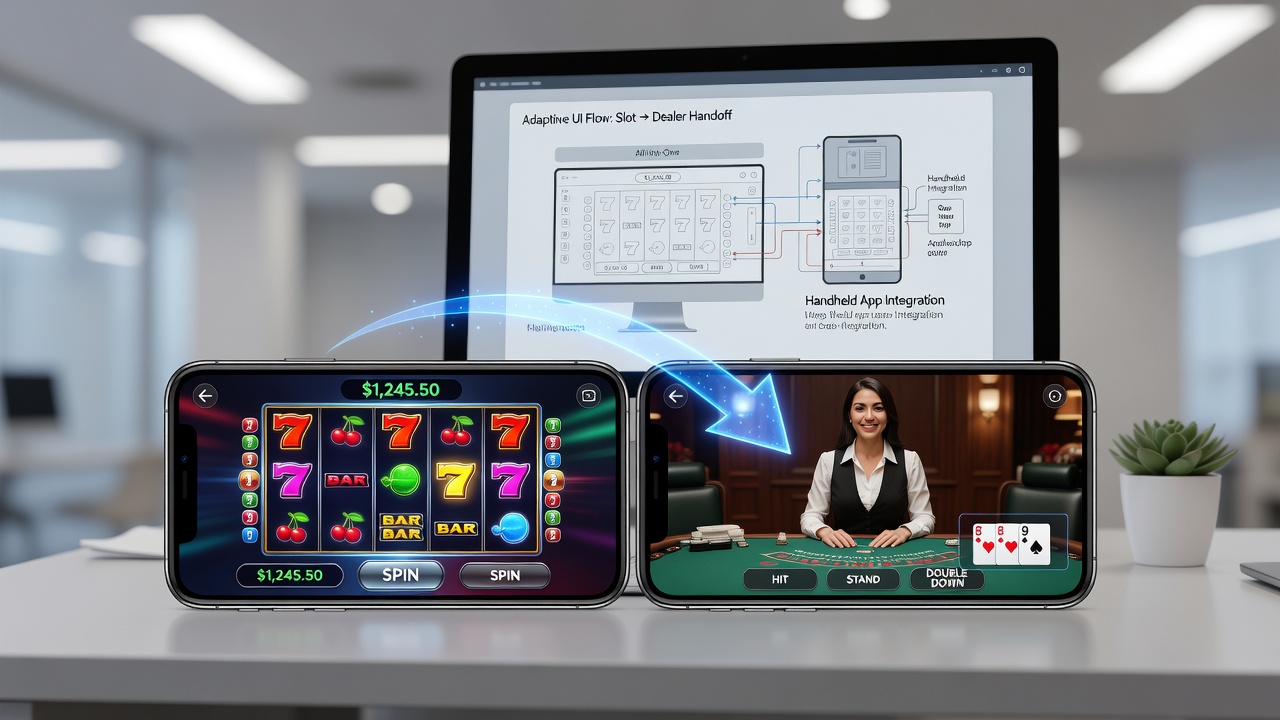
Developers have refined adaptive interface designs that allow users to move between slot machine sessions and live dealer interactions without disrupting the overall experience in handheld applications, and these systems rely on responsive layouts combined with context-aware algorithms that adjust visual elements based on user behavior patterns. Research indicates such interfaces detect shifts in engagement metrics like session duration and tap frequency then reorganize navigation menus accordingly while maintaining consistent payment gateways and account controls across both game types.
Core Mechanisms Driving Interface Adaptations
Designers implement modular frameworks where slot reels occupy primary screen space during machine play yet compress into side panels when a dealer table activates, and this compression occurs through predefined transition protocols that preserve key data streams such as bet history and balance updates. Observers note that gesture recognition plays a central role here since swipe motions trigger mode switches while voice commands provide alternatives for accessibility compliance in regions governed by varying standards. Data from multi-platform testing reveals that these adaptations reduce loading intervals between game modes by integrating pre-cached assets which load dealer video feeds in parallel with slot animations.
Engineers prioritize cross-device consistency so that tablets and smartphones deliver comparable fluidity, whereas smaller screens emphasize stacked views that stack dealer chat overlays above minimized slot displays. Those who have analyzed user flows report that color temperature shifts and icon scaling further guide attention during transitions, preventing disorientation when players alternate between automated spins and real-time card dealings.
Integration with Broader Platform Features
Adaptive systems connect directly to loyalty tracking modules that update achievement progress regardless of whether a player remains in slots or joins a dealer session, and this linkage ensures reward notifications appear at contextually appropriate moments without interrupting active play. Industry reports highlight synchronization with external calendars where certain platform milestones align with scheduled updates set for June 2026 across select networks. Such timing allows developers to roll out enhanced transition animations that incorporate new hardware capabilities like improved haptic feedback on upcoming device models.
Security layers remain constant throughout these shifts because biometric verification persists across interfaces, while encryption protocols handle data exchanges between slot engines and dealer servers without requiring re-authentication. Experts have observed that this continuity supports higher retention rates in environments where players frequently sample multiple game categories within single sessions.
Regional Regulatory Influences on Design Standards
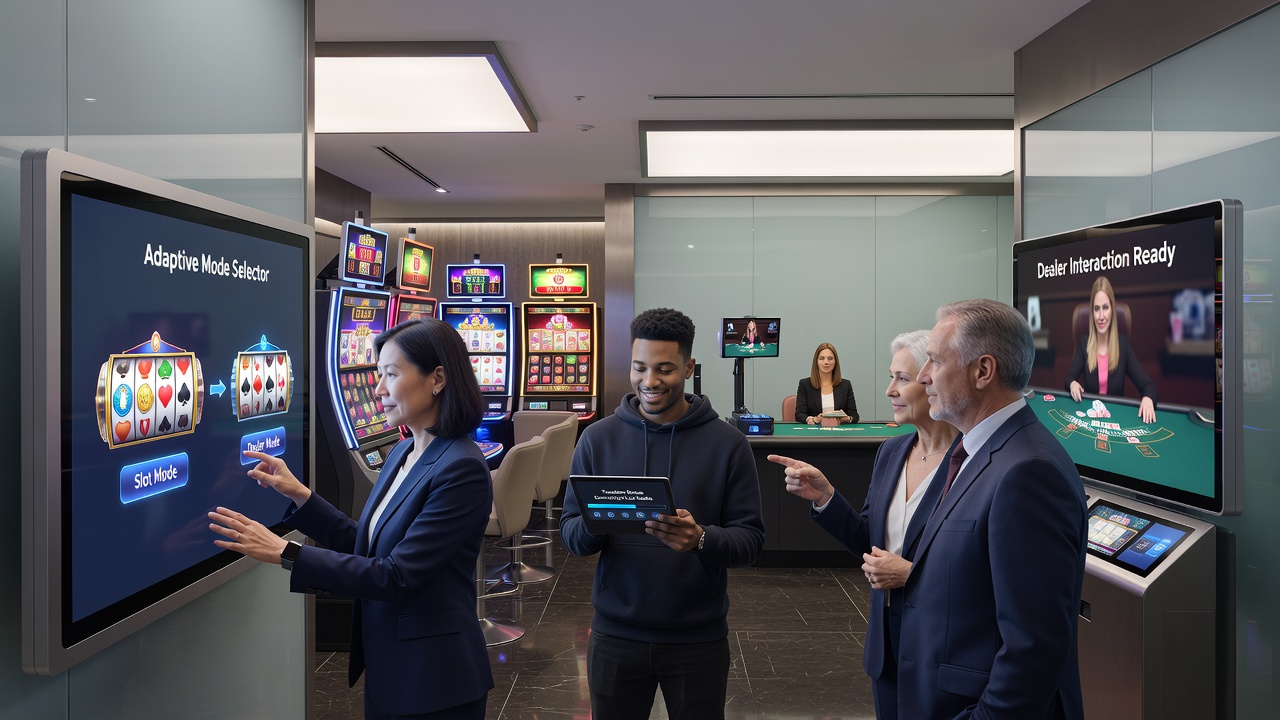
Compliance requirements from bodies such as the Malta Gaming Authority shape how interfaces handle live elements, mandating clear separation of automated and human-led games to maintain transparency. Similar guidelines from Canadian provincial regulators emphasize testing for seamless handoffs that avoid misleading visual cues during mode changes. Figures from these oversight entities show increased scrutiny on apps that blend slot and dealer content, prompting developers to embed explicit mode indicators that adapt in size and position based on screen orientation.
Academic studies from institutions examining digital entertainment systems further document how adaptive designs accommodate varying internet speeds by prioritizing lower-bandwidth slot modes before escalating to video dealer streams. This layered approach prevents abrupt interruptions and supports players in areas with inconsistent connectivity.
Practical Examples from Current Implementations
One deployment in a major network demonstrates how an app detects prolonged slot activity then proactively surfaces dealer table suggestions through a collapsible side menu that expands with a single tap, and this suggestion engine draws from aggregated anonymized data to match player preferences without storing personal identifiers. Another case involves tablet users who experience automatic reorientation where landscape mode favors wide dealer views while portrait prioritizes vertical slot reels during quick switches.
Those monitoring industry trends note that partnerships between software providers and device manufacturers have accelerated these capabilities, particularly as hardware advances enable smoother multitasking. Threshold mapping techniques identify when users cross engagement benchmarks and adjust interface density accordingly to sustain focus across transitions.
Future Developments and Timeline Considerations
Upcoming refinements aim to incorporate machine learning that predicts transition points based on historical patterns, allowing preemptive interface adjustments before users initiate switches themselves. Preparations tied to broader platform alignments scheduled around June 2026 include expanded support for augmented overlays that blend slot symbols with dealer elements in hybrid views for experimental game modes.
Continued collaboration among regulatory agencies across different jurisdictions will likely standardize testing protocols for these adaptive features, ensuring consistent performance metrics regardless of geographic deployment. Evidence suggests ongoing investment in such technologies will expand accessibility options while preserving core gameplay integrity.
Conclusion
Adaptive interface designs continue to evolve as essential components for handheld casino applications that facilitate fluid movement between slot machines and dealer interactions, and their development draws from combined inputs across technology, regulation, and user analytics. These systems demonstrate measurable improvements in session continuity according to available platform data, while timelines like June 2026 mark points for further enhancements. Observers anticipate sustained progress in this area as networks integrate emerging capabilities without compromising established standards.