Bridging Slot Engine Triggers With Loyalty Thresholds in Protected Mobile Payment Frameworks
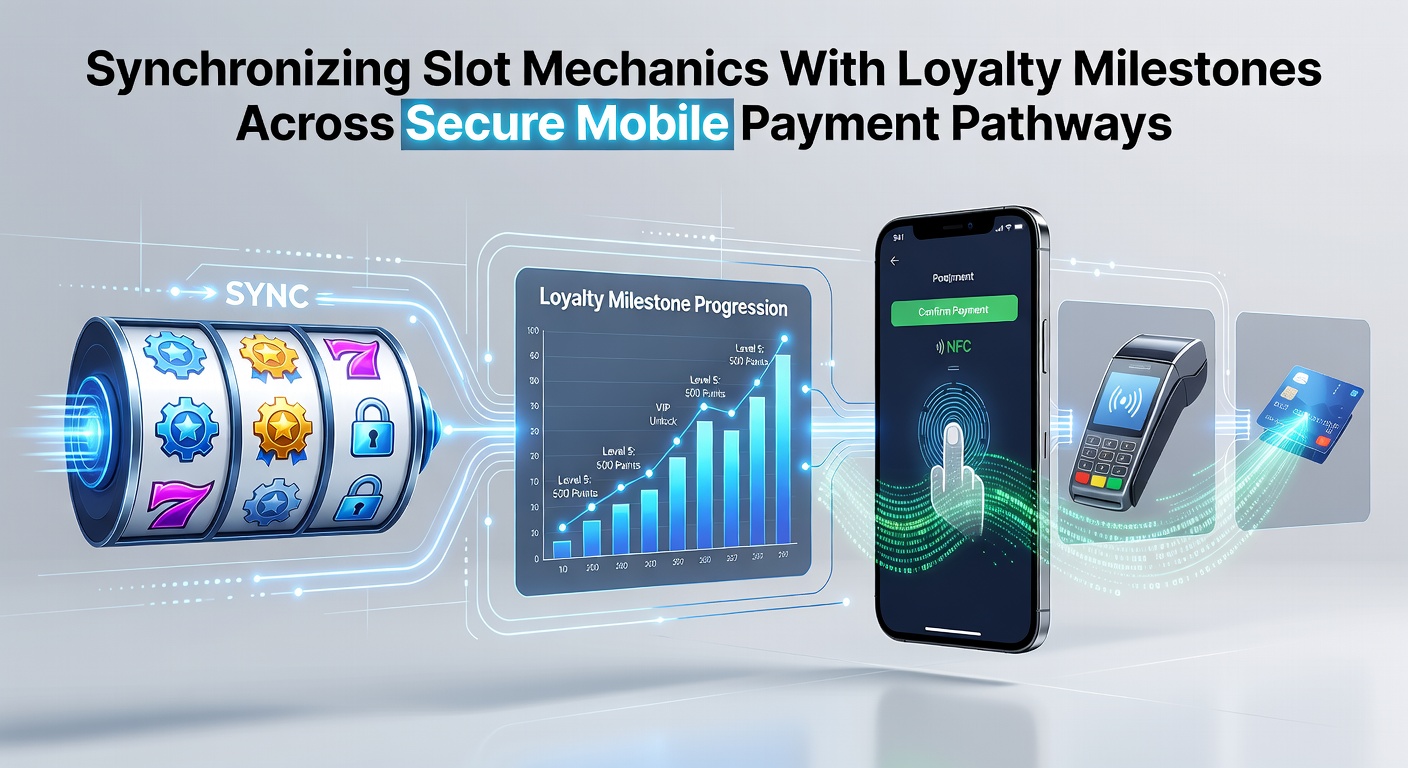
Slot engines operate through precise algorithmic sequences that determine reel stops, bonus activations, and multiplier applications, and these sequences now integrate directly with loyalty tracking systems that record player milestones such as accumulated points or tier advancements. Secure mobile payment pathways facilitate this integration by transmitting encrypted transaction data alongside gameplay metrics, which allows platforms to adjust reel behavior based on verified loyalty status without exposing sensitive financial details.
Core Synchronization Processes
Developers align slot mechanics with loyalty data by embedding API calls that query player accounts during active sessions, and these calls trigger modifications like increased bonus frequency once specific milestones register through completed deposits or withdrawals. Mobile payment protocols such as tokenized authentication ensure that each transaction carries verified identifiers, which in turn feed into the loyalty database and enable real-time updates to game parameters. Research indicates that such linkages reduce latency between payment confirmation and mechanic adjustments to under two seconds across major networks.
One implementation involves progressive jackpot pools that scale their contribution rates according to loyalty tier, so higher-status accounts receive proportionally larger shares while the underlying random number generator remains unchanged. This approach maintains regulatory compliance because the core probability model stays independent of payment or loyalty variables.
Security Layers in Mobile Transactions
Encrypted channels protect the flow of both financial instructions and loyalty metadata, using standards that comply with regional mandates from bodies such as the Nevada Gaming Control Board. Tokenization replaces card details with unique codes for each session, which prevents replay attacks while still allowing teh system to match payment events to loyalty records. Observers note that multi-factor authentication at the payment gateway adds another verification step that cross-checks device signatures against stored player profiles before any mechanic adjustment activates.
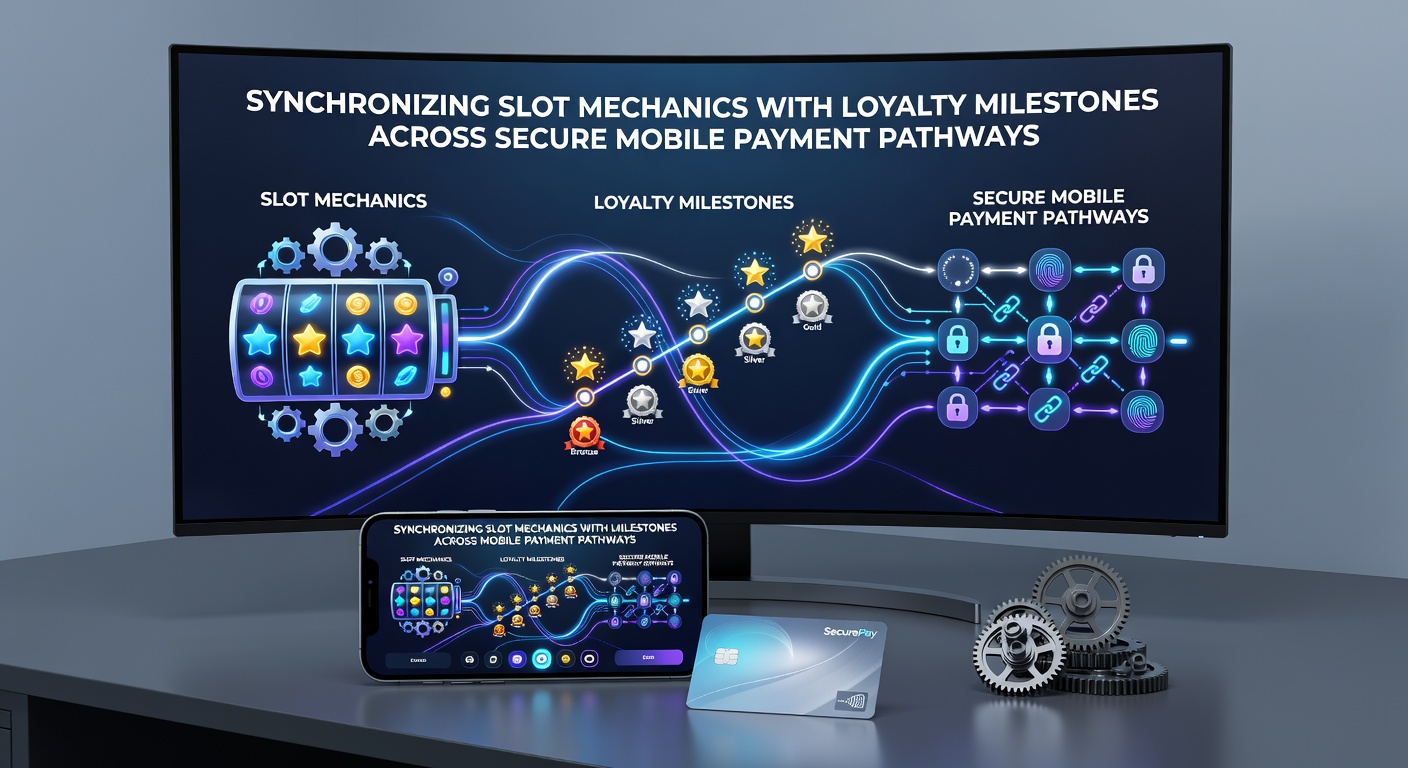
Additional safeguards include end-to-end encryption during data transit between the mobile device, payment processor, and game server, and these measures address potential interception points that could otherwise expose milestone data. Data from the Alcohol and Gaming Commission of Ontario shows a measurable decline in reported discrepancies when platforms adopt these layered protocols across multiple operator sites.
Implementation Examples Across Regions
Platforms in regulated markets demonstrate how reel features respond to loyalty thresholds reached through mobile deposits. A player who completes a qualifying transaction may unlock an expanded wild symbol set on the next spin sequence, with the change recorded and confirmed via the same secure channel used for the payment. Industry reports compiled by the American Gaming Association document similar patterns in several U.S. states where mobile payment adoption has grown steadily since 2023.
European operators following directives from the Malta Gaming Authority have tested synchronized systems that tie free-spin allotments directly to cumulative deposit milestones, and these tests rely on the same encrypted pathways to maintain audit trails. Academic analysis from university-led studies on digital gaming infrastructure further confirms that synchronization accuracy improves when loyalty events and payment confirmations share a single encrypted ledger rather than separate databases.
Regulatory Developments and Future Timelines
Upcoming policy reviews scheduled for May 2026 in select jurisdictions are expected to examine how synchronized loyalty and payment systems handle cross-border mobile transactions. Regulators plan to assess whether existing encryption standards sufficiently protect the combined data streams of game mechanics and loyalty records. Preliminary documents released by oversight agencies emphasize the need for transparent logging of every mechanic adjustment triggered by a verified payment event.
Operators have already begun preparing compliance documentation that maps each loyalty milestone to its corresponding slot parameter change, and these records must remain accessible for audits conducted through secure mobile channels. Such preparations align with broader efforts to standardize data exchange formats across different payment providers and gaming platforms.
Technical Integration Challenges
Latency remains a concern when high volumes of simultaneous mobile payments coincide with frequent loyalty updates, yet optimized database indexing and edge-server caching have reduced average response times in live deployments. Compatibility between different mobile operating systems requires additional testing to ensure that payment tokens transmit consistently to the slot engine. Those who have examined production logs report that fallback procedures activate automatically when a payment pathway experiences temporary disruption, preserving the integrity of ongoing loyalty tracking.
Conclusion
The linkage between slot engine events and loyalty milestones through protected mobile payment systems continues to evolve under existing regulatory frameworks. Data from multiple oversight bodies demonstrates measurable improvements in transaction verification speed and record accuracy when encryption standards encompass both financial and gameplay metadata. Future policy evaluations, including those planned for May 2026, will likely refine the technical requirements that govern these integrated pathways while maintaining separation between core randomization functions and loyalty-driven adjustments.