Charting Interlinked Progress Indicators Across Distributed Casino Interfaces
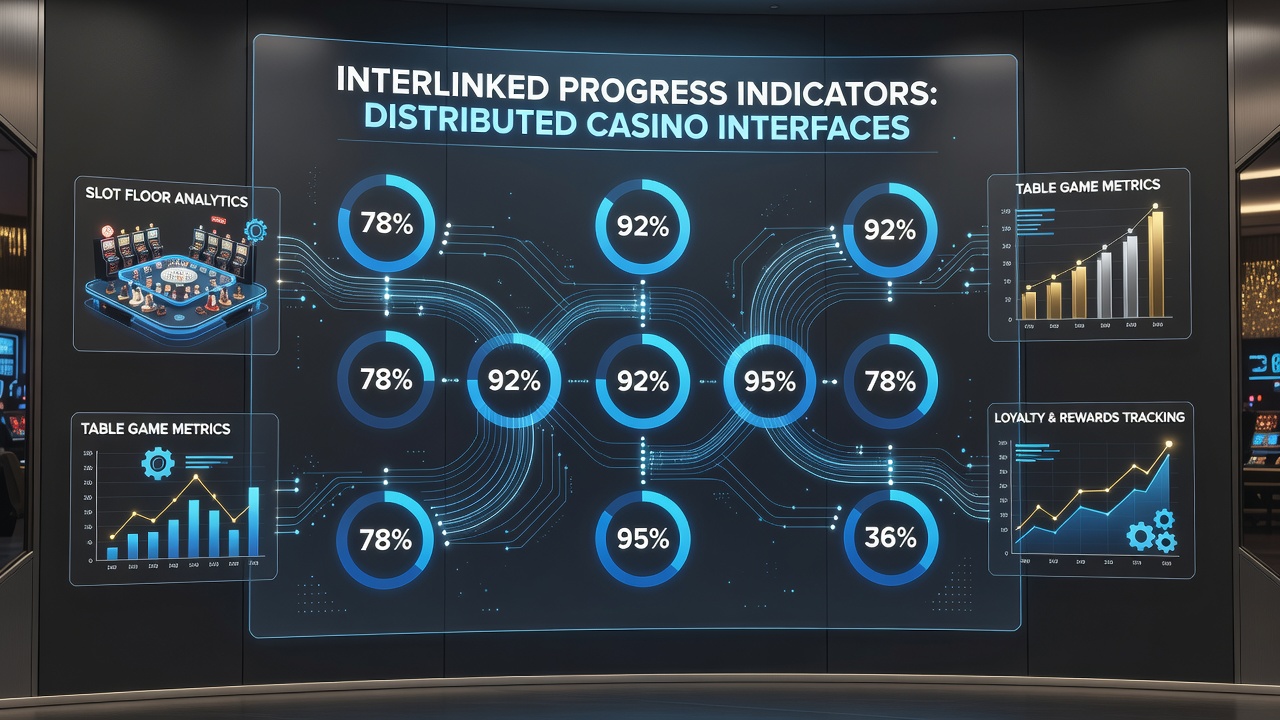
Distributed casino interfaces rely on synchronized data streams that connect player milestones from mobile applications to desktop portals and emerging land-based terminals, creating unified progress records that update in real time across separate systems. Operators deploy these frameworks to maintain consistent achievement tracking even when users switch devices or access points during a single session. Research from industry reports shows that such interlinked indicators reduce data fragmentation by channeling loyalty metrics, game completions, and reward thresholds through centralized APIs that communicate with each regional server cluster.
Core Components of Linked Tracking Systems
Progress indicators function through modular data packets that carry variables like session duration, wager totals, and level advancements from one interface to another without requiring manual user input at each transition point. These packets travel via encrypted channels that comply with standards set by bodies such as the Nevada Gaming Control Board, ensuring regulatory alignment while preserving continuity. Observers note that the architecture often incorporates event-driven triggers where a completed task on a mobile slot game immediately registers on a linked live dealer platform, adjusting the overall player profile accordingly.
Systems frequently segment indicators into categories including engagement depth, reward accumulation, and cross-game achievements. Data indicates that this segmentation allows operators to map dependencies, for instance linking a high-volatility table game completion to bonus eligibility in a separate progressive network. In practice, the process involves timestamp synchronization so that actions performed in one timezone reflect instantly on interfaces operating in others, maintaining a single source of truth for all connected accounts.
Implementation Across Platform Types
Casino networks integrate these charting mechanisms during initial onboarding, where user profiles receive unique identifiers that persist across distributed nodes. When a transition occurs, such as shifting from a portable device to a stationary terminal, the system queries the central ledger and applies any pending updates before resuming play. Studies conducted by European research institutions reveal that latency in these queries averages under 200 milliseconds in optimized setups, supporting seamless experiences during peak traffic periods.
June 2026 marks a scheduled land-based transition for certain venues including Hollywood Casino Aurora, where platform engineers plan to align physical machine interfaces with existing digital progress databases. This alignment requires recalibrating sensor inputs from slot cabinets to feed directly into the same interlinked indicator pools used by mobile and web channels. Technicians test these connections through staged rollouts that verify data integrity at each step, preventing discrepancies that could affect player tier statuses.
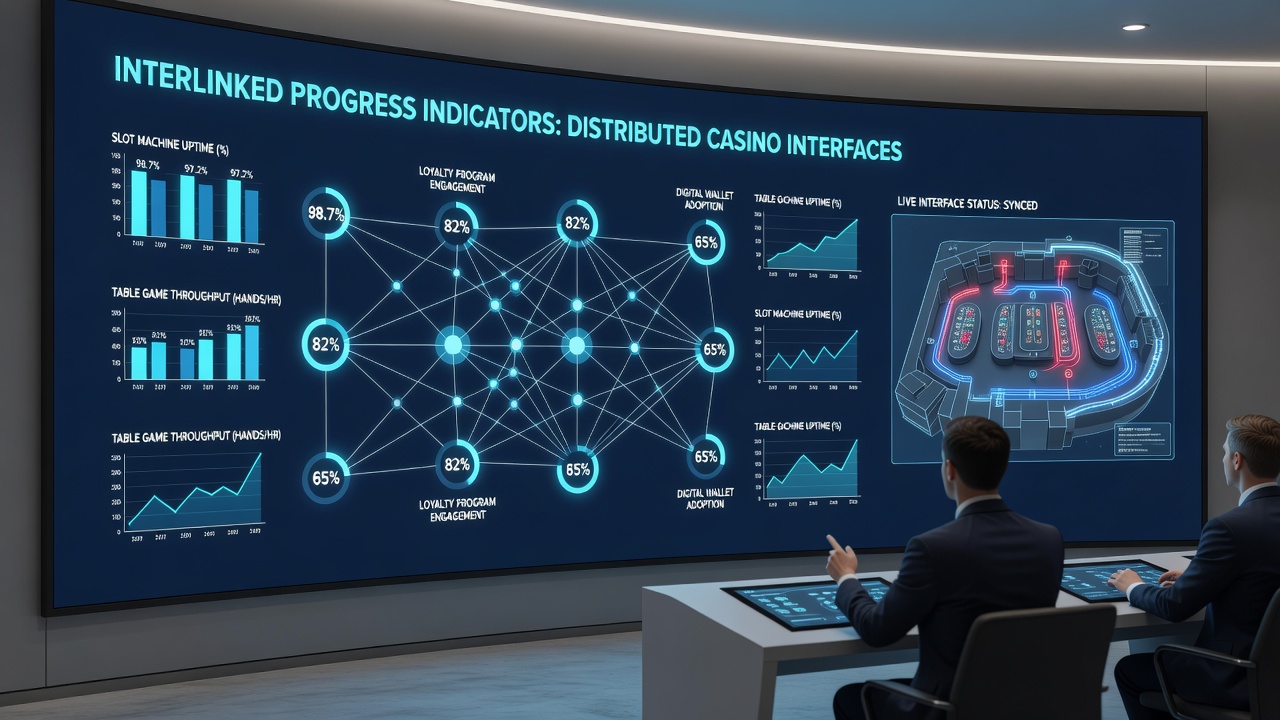
Additional layers appear in multi-jurisdictional operations where local regulations dictate separate compliance logs while still routing core metrics through shared visualization dashboards. These dashboards present aggregated charts that highlight correlations between indicators, such as how mobile engagement patterns influence desktop reward unlocking rates. Figures from Canadian provincial oversight agencies demonstrate that operators utilizing these visualizations report more accurate forecasting of player retention curves compared to siloed tracking methods.
Data Synchronization Challenges and Solutions
Interfacing distributed systems introduces variables like network variability and regional data residency rules that must be resolved through adaptive routing protocols. Engineers address these by deploying edge computing nodes that preprocess indicator updates before forwarding them to primary repositories, reducing the load on central servers. What's interesting is that case examples from Australian regulatory reviews show successful mitigation when operators incorporate redundant pathways that activate automatically during outages.
Security protocols wrap each data exchange in multi-factor authentication sequences tied to the player's verified identity, while audit trails record every indicator modification for later inspection. Academic papers on gaming technology have examined how these safeguards scale when thousands of concurrent sessions generate overlapping progress events, confirming that batch processing combined with real-time flagging maintains both speed and accuracy.
Visualization Techniques in Operational Use
Operators employ heat maps and timeline graphs to display interlinked progress, allowing staff to identify bottlenecks where one interface lags behind others in updating shared metrics. These visual tools draw from live feeds that aggregate anonymized data sets, revealing patterns such as peak synchronization demands during evening hours across multiple time zones. Reports compiled by the Malta Gaming Authority highlight instances where refined charting led to streamlined allocation of server resources without altering the underlying indicator logic.
Integration with third-party analytics suites further extends these capabilities by overlaying external benchmarks onto internal progress charts, providing comparative context for system performance. This approach supports ongoing refinements as new device types enter the ecosystem, ensuring that indicator frameworks remain adaptable to evolving hardware standards.
Conclusion
Charting interlinked progress indicators across distributed casino interfaces establishes a cohesive framework for tracking player advancements through coordinated data flows and visualization methods. Implementation details continue to evolve with hardware transitions scheduled for 2026 and regulatory updates from various jurisdictions, while synchronization techniques address the practical demands of multi-platform environments. These systems operate under established technical and compliance parameters that support consistent metric management across all connected points.