Engagement Thresholds Determining VIP Entry in Mobile Casino Platforms
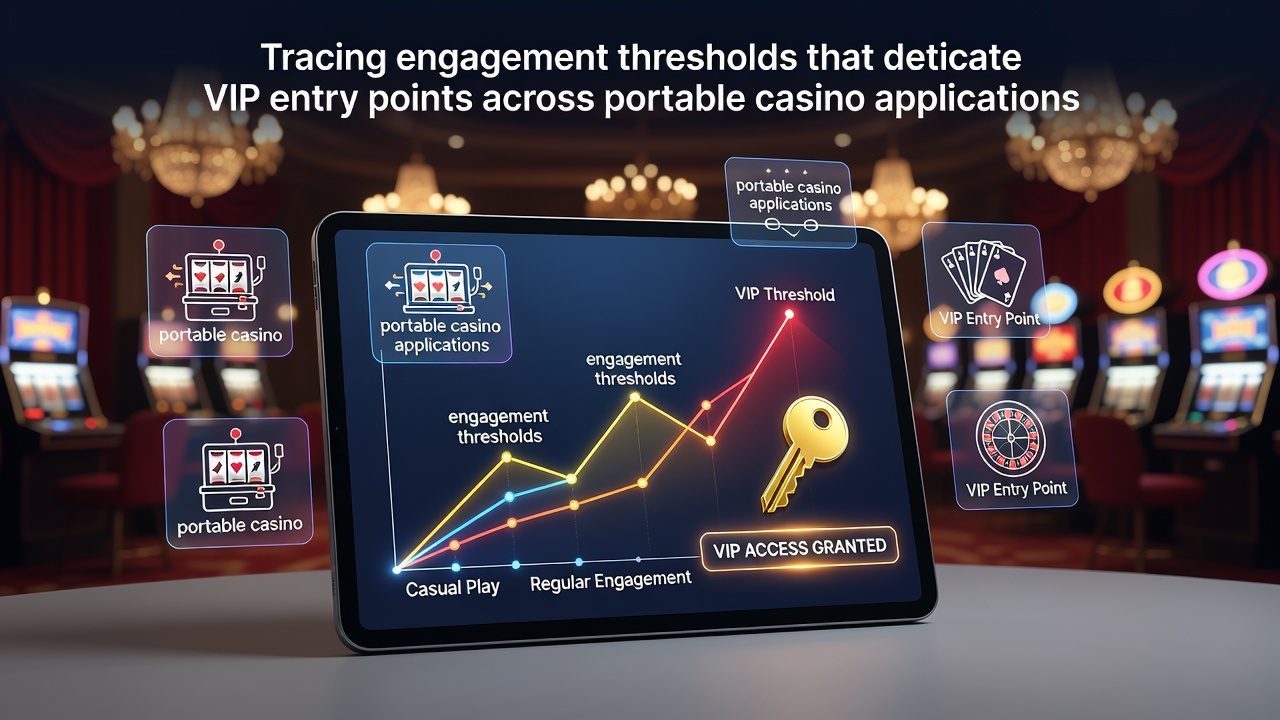
Portable casino applications track user interactions through layered systems that convert play frequency, session duration, and deposit patterns into points toward exclusive status, and these mechanisms operate across platforms developed by major operators in regions such as North America and Australia. Data collected from device sensors and transaction logs feed into algorithms that calculate eligibility, while thresholds adjust periodically based on overall network activity rather than fixed calendar dates.
Core Metrics That Feed Threshold Calculations
Operators record several variables to establish progression points, including total wagering volume within a rolling thirty-day window, average bet size per spin or hand, and retention across consecutive days without extended breaks. Researchers at institutions studying digital entertainment economies have documented how these inputs combine into composite scores, and the resulting figures determine when an account crosses into invitation-only tiers that unlock personalized table limits along with accelerated reward redemptions.
Activity streaks receive heavier weighting in certain applications, whereas others prioritize deposit consistency over raw volume, and this variation produces different entry points depending on the software provider. Figures from industry reports indicate that accounts reaching VIP consideration often maintain at least fifteen active sessions per month alongside cumulative wagers exceeding several thousand currency units, yet exact cutoffs remain proprietary and shift when operators recalibrate for seasonal traffic changes.
Regional Differences in Threshold Implementation
Canadian provincial frameworks require transparent disclosure of loyalty program rules, which has led developers to publish sample progression charts that illustrate how engagement levels translate into status upgrades. In contrast, certain European jurisdictions emphasize responsible play caps that indirectly influence VIP pathways by limiting continuous session lengths, and these constraints create distinct threshold dynamics compared with markets that allow extended play windows.
One study released through academic channels examined cross-border player cohorts and found that Australian-regulated applications tend to weight social features such as tournament participation more heavily than pure financial metrics, while North American platforms focus on deposit velocity. Observers note that these regional preferences shape the speed at which users encounter VIP gates, and the resulting patterns appear in anonymized aggregate data shared during industry conferences.
Technical Architecture Behind Dynamic Thresholds
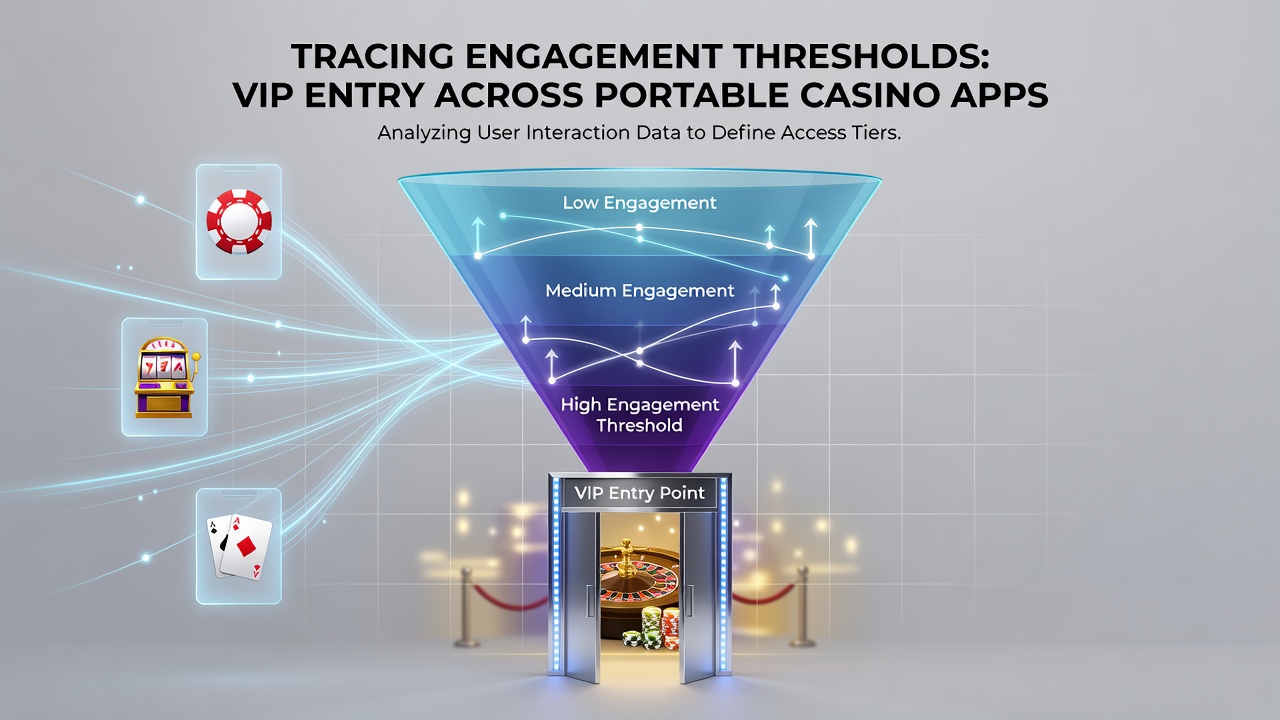
Backend systems employ real-time streaming pipelines that ingest event data from mobile clients, then apply machine learning models trained on historical cohort behavior to predict when an account will reach the next tier. These models update daily, which allows thresholds to respond to sudden surges in network-wide activity such as holiday promotions or new game launches. Engineers integrate fraud detection layers that flag anomalous patterns before points are awarded, and the same safeguards prevent artificial inflation of engagement scores through scripted behavior.
Multi-device synchronization ensures that progress recorded on a tablet carries over to a phone session without resetting counters, while geolocation checks enforce compliance with local licensing requirements. According to documentation from regulatory bodies in Ontario, such technical controls must undergo periodic audits that verify both fairness of threshold application and accuracy of the underlying data streams.
Examples From Live Platform Deployments
Applications serving multiple jurisdictions demonstrate how a single codebase can accommodate varying threshold rules through configurable rule engines, and one deployment in early testing phases adjusted VIP entry requirements upward after observing elevated baseline engagement during a major sporting event. Another case involved gradual rollout of tiered access that began with deposit-frequency gates before layering in session-duration requirements, which produced measurable shifts in user retention curves tracked over successive quarters.
Platform updates scheduled for June 2026 are expected to introduce refined segmentation models that incorporate predictive indicators such as early-week activity spikes, and these changes will affect how quickly new accounts encounter the first VIP invitation prompt across several major mobile networks. Integration testing already underway examines compatibility with updated payment rails that reduce latency between wager completion and point allocation.
Player Journey Mapping and Communication Protocols
Users receive in-app notifications when their activity metrics approach the next threshold, yet operators withhold exact numerical targets to discourage targeted grinding behavior. Instead, progress bars display relative advancement within the current tier, and supplementary messages highlight upcoming events that could accelerate qualification. Communication logs archived by support teams show that clarification requests about eligibility criteria increase sharply in the days immediately preceding scheduled threshold reviews.
Third-party analytics providers supply benchmarking services that compare engagement distributions across similar applications, and these reports help operators calibrate their own gates without direct data sharing. The resulting benchmarks circulate through closed industry forums rather than public channels, which maintains competitive separation while still allowing broad calibration against market norms.
Conclusion
Engagement thresholds in portable casino applications function as adaptive control systems that balance operator revenue goals with regulatory oversight requirements, and the technical infrastructure supporting these systems continues to evolve alongside device capabilities and jurisdictional rules. Continued monitoring of aggregate data streams will reveal how upcoming platform refinements scheduled around mid-2026 alter the distribution of VIP entry points across user cohorts in different geographic markets.