How Player Ratings Gatekeep Exclusive Promotions in Virtual Casino Networks
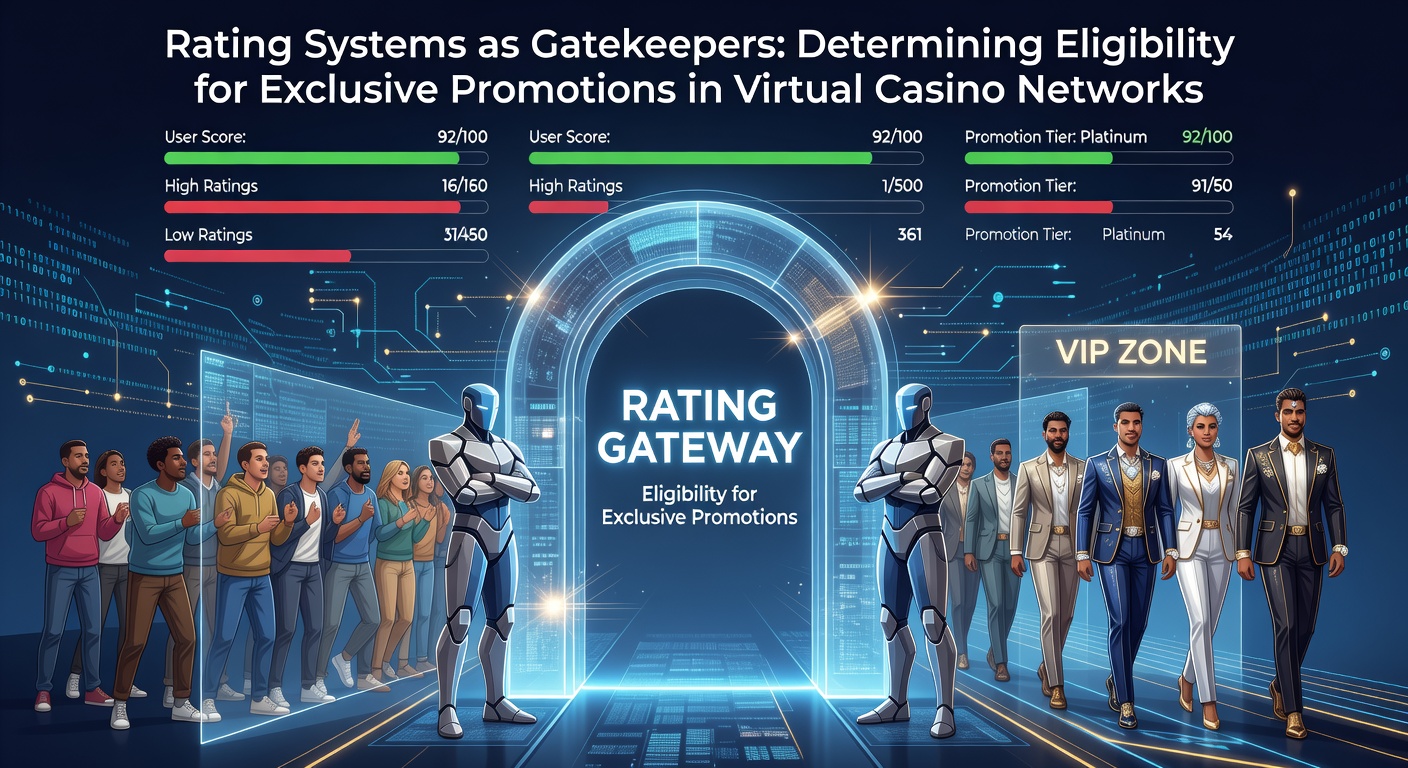
Virtual casino networks rely on sophisticated rating systems to manage access to exclusive promotions, and these frameworks evaluate player activity through metrics such as deposit frequency, wagering volume, game preferences, and account tenure, while algorithms assign tier levels that unlock varying degrees of rewards. Operators implement these structures to allocate bonuses, cashback offers, and personalized incentives efficiently, since higher-rated accounts receive priority consideration for limited-time campaigns. Data from regulatory filings shows that networks processing millions of transactions monthly depend on automated scoring to maintain operational balance across thousands of users.
Core Components of Rating Mechanisms
Rating systems track cumulative points earned through consistent play, and points accumulate faster when participants engage with specific titles or maintain steady deposit patterns over defined periods. Tiers typically range from entry-level access to elite designations, each carrying distinct eligibility thresholds for promotions that include higher match percentages, faster withdrawal processing, and invitations to private events. Observers note that adjustments to these thresholds occur periodically to reflect changes in player behavior patterns, and networks often recalibrate algorithms during seasonal peaks to sustain engagement without overextending promotional budgets.
Software platforms integrate real-time data feeds that update scores after every session, which allows operators to respond quickly when users cross into new tiers. Research indicates that players reaching mid-tier status frequently qualify for weekly reload bonuses unavailable to lower categories, while top-tier members access tailored cashback rates that can exceed standard offerings by substantial margins. Such differentiation encourages sustained participation across the network.
Eligibility Criteria and Promotion Allocation
Eligibility determination begins with a review of verified account history, and systems flag accounts meeting minimum activity benchmarks for inclusion in exclusive campaigns. Factors include total lifetime deposits, average session length, and loyalty to particular game categories, since networks prioritize users who contribute to overall revenue stability. In May 2026 several major platforms are scheduled to introduce refined scoring models that incorporate additional variables such as responsible gaming indicators alongside traditional volume metrics.
Promotions reserved for higher ratings often feature enhanced terms, including reduced wagering requirements or extended validity periods, and these offers reach eligible users through dedicated account dashboards or direct notifications. Analysts report that networks using multi-factor evaluations achieve more precise targeting, which reduces instances of unqualified claims while increasing redemption rates among qualified participants. Cross-network partnerships further extend access, allowing rated players from one platform to receive reciprocal benefits when they migrate activity to affiliated sites.

Regional Regulatory Influences on Rating Practices
Regulatory bodies across different jurisdictions establish baseline requirements that shape how rating systems operate, and compliance standards in North America and Europe emphasize transparency in promotion eligibility disclosures. For instance, iGaming Ontario documentation outlines expectations for clear communication of tier benefits, requiring operators to publish criteria so participants understand advancement pathways. Similar guidelines appear in Australian regulatory frameworks, where emphasis falls on preventing misleading representations about reward availability.
Industry reports from academic and trade sources highlight that networks operating across multiple regions adapt rating formulas to satisfy local rules without disrupting global player experiences. One study compiled by researchers at a European gaming institute revealed that standardized scoring protocols reduce disputes over denied promotions by providing auditable records of player metrics. These adaptations maintain fairness while preserving the gatekeeping function that protects promotional resources.
Practical Outcomes for Network Participants
Users who monitor their rating progression often adjust play strategies to accelerate tier advancement, and case examples show individuals consolidating activity on preferred platforms to maximize point accumulation. Networks respond by offering milestone rewards that celebrate tier transitions, which reinforces continued engagement. Figures from aggregated industry data indicate that promotion uptake rises noticeably once players enter upper rating brackets, reflecting the targeted nature of these incentives.
Security protocols embedded within rating systems also verify account authenticity before granting access to premium offers, and this step protects both operators and players from fraudulent claims. Experts observe that layered verification processes have become standard practice, especially as networks expand their international reach.
Conclusion
Rating systems function as structured gatekeepers that allocate exclusive promotions based on measurable activity indicators within virtual casino networks, and ongoing refinements ensure these mechanisms remain aligned with regulatory expectations and operational goals. Through tiered evaluations and data-driven thresholds, networks maintain controlled distribution of rewards while supporting player retention across diverse user segments. As platforms prepare for updates scheduled around May 2026, the emphasis on transparent criteria and precise targeting continues to define how eligibility determinations unfold in this environment.