Pathways in Mobile Gaming: Linking Navigation Behaviors to Live Dealer Eligibility via Adaptive Payments
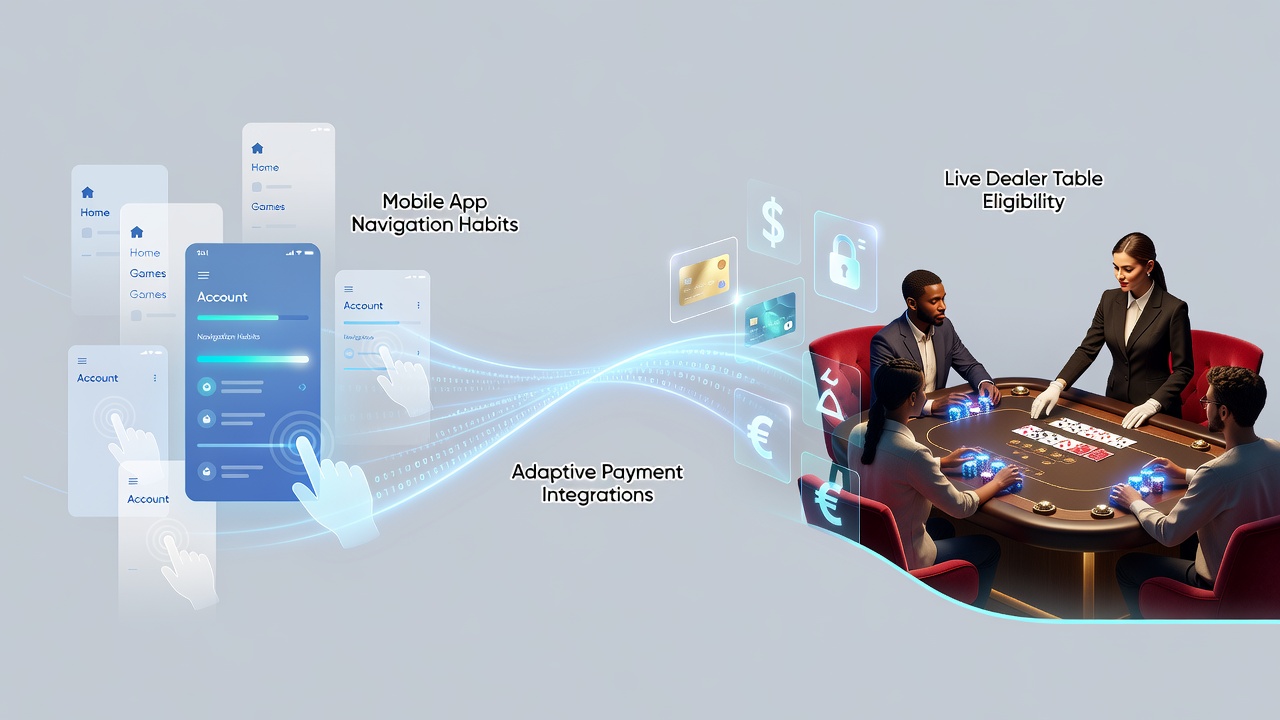
Researchers tracking mobile casino usage have documented clear connections between how players move through app interfaces and their eventual qualification for live dealer tables, with adaptive payment systems serving as the bridge in many platforms. Data from industry reports shows that session length, menu selections, and feature exploration patterns feed directly into algorithms that adjust payment options and determine table access thresholds.
Navigation Patterns as Eligibility Signals
Users who spend extended time in certain sections of casino apps, such as browsing game libraries or reviewing rules pages, generate data points that platforms use to refine payment flows and unlock higher-tier features. Studies from gaming analytics firms indicate that repeated visits to live game previews correlate with faster progression toward eligibility requirements, especially when combined with consistent deposit activity through integrated methods.
Those who've examined player logs note that swipe speed, tap frequency, and time spent on account settings often predict which payment adaptations a system will apply next. Platforms adjust transaction limits and verification steps based on these habits, creating smoother pathways for players demonstrating steady engagement.
Adaptive Payment Integrations in Practice
Payment systems in mobile casinos now respond dynamically to user behavior, scaling options like instant transfers or tiered withdrawal speeds according to navigation history and account milestones. Figures from regulatory filings reveal that operators in multiple jurisdictions implemented these adjustments by early 2025, with further refinements scheduled for rollout in July 2026 across select networks.
One documented approach involves linking navigation depth directly to payment gateway preferences, allowing systems to pre-select methods that match a player's demonstrated risk tolerance and activity level. This reduces friction during deposits and positions users closer to live dealer table criteria, such as minimum play volume or verified transaction counts.
Cross-Platform Data Flows and Table Access
Multi-device environments add another layer, where navigation habits on phones sync with tablet or desktop sessions to build comprehensive profiles. According to reports from the Canadian Gaming Association, these synchronized datasets enable operators to apply unified eligibility rules that account for varied usage contexts while maintaining consistent payment adaptations.
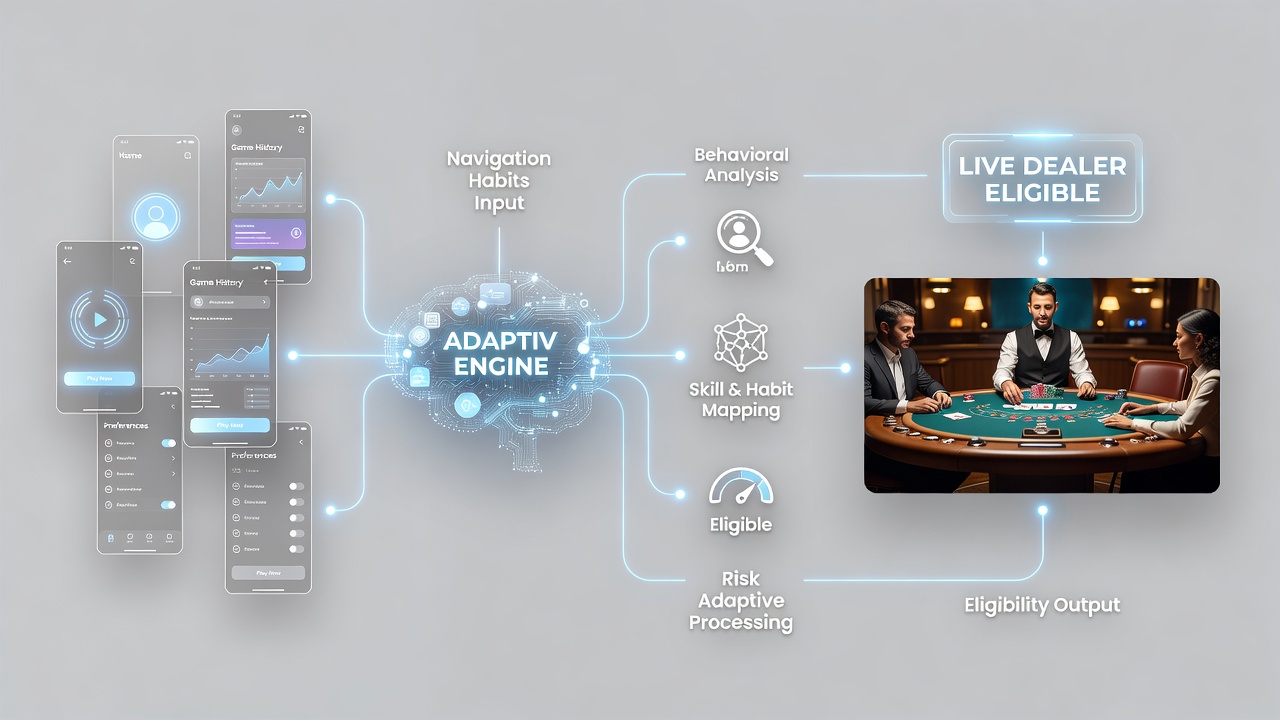
Observers tracking platform updates point out that players reaching specific navigation milestones, like completing tutorial sequences or exploring loyalty sections, trigger automatic adjustments in payment processing speeds. These changes align with broader thresholds for live dealer access, including real-time balance monitoring and session history reviews.
Regulatory Context and Implementation Timelines
Authorities in regions such as Australia and parts of Europe have begun reviewing how behavioral data influences payment integrations and table eligibility determinations. A 2025 industry white paper from the European Gaming and Betting Association highlighted the need for transparent algorithms that tie navigation patterns to access decisions without introducing unintended barriers.
Platforms preparing for July 2026 updates are incorporating these considerations into their systems, focusing on clear documentation of how habits translate into eligibility outcomes. This includes providing users with summaries of the factors affecting their progression toward live dealer options.
Case Examples from Operational Platforms
Take one operator that mapped swipe patterns in slot sections to customized payment tiers, resulting in accelerated qualification for live tables among active navigators. Similar patterns appear in networks where deposit frequency, informed by prior menu exploration, directly feeds into live game permissions.
Another instance involves platforms using time-on-page metrics from rules and strategy areas to modulate verification requirements, shortening pathways for users who demonstrate informed navigation habits. These adjustments occur through backend integrations that update in real time based on aggregated data.
Conclusion
Connections between mobile navigation habits and live dealer table eligibility continue to evolve through adaptive payment integrations, with platforms refining these links as new data emerges. Regulatory reviews and scheduled system enhancements, including those planned for July 2026, shape how these pathways develop across different markets. Tracking these developments provides insight into the operational mechanics driving access in mobile casino environments.