Synchronizing Player Achievements: The Role of Interface Algorithms in Cross-Device Reward Systems

Virtual gaming networks rely on interface algorithms that map player progress across devices while coordinating reward activations at key milestones, and observers note these systems process data from mobile sessions, desktop logins, and console interactions to maintain continuity. Research from the University of Nevada Reno's International Gaming Institute indicates that such algorithms track achievement tiers through unified player profiles, which reduces discrepancies when users switch platforms mid-session.
Developments in these technologies continue as networks expand their reach, with data streams from engagement metrics feeding into decision trees that determine when to trigger bonuses or unlock features. Those who've analyzed platform architectures find that cross-device synchronization often depends on timestamped event logs combined with behavioral patterns, allowing rewards to align precisely with accumulated playtime or level advancements regardless of the access point.
Core Components of Alignment Mechanisms
Interface algorithms typically incorporate modular code segments that handle milestone detection, reward valuation, and trigger execution, while integrating inputs from various device sensors and session histories. Experts have observed that these modules operate on shared databases where player identifiers link activities across environments, creating a seamless progression path that avoids duplication or omission of completed objectives.
What's interesting is how threshold mapping within these systems accounts for device-specific variables such as screen resolution effects on interaction speed or network latency differences, yet the underlying reward logic remains consistent. According to industry reports from the Canadian Gaming Association, networks employing these methods report higher retention rates because players encounter predictable yet personalized reward schedules during transitions between devices.
Implementation Across Multi-Platform Environments
Networks deploying these algorithms often begin with onboarding sequences that establish baseline milestones, then layer on progressive achievements tied to specific game types or cumulative metrics. Observers note that real-time processing engines evaluate cross-device data packets to activate triggers, such as bonus spins or tier upgrades, at moments when players hit predefined targets like total wagers or session durations.
But here's the thing: synchronization challenges arise during peak traffic periods, prompting developers to refine load-balancing protocols that prioritize milestone checks without interrupting gameplay flow. Data from the European Gaming and Betting Association shows that refined versions of these algorithms have supported expanded access in regulated markets, where compliance requirements demand accurate logging of all reward events across platforms.
Technical Patterns in Reward Trigger Design
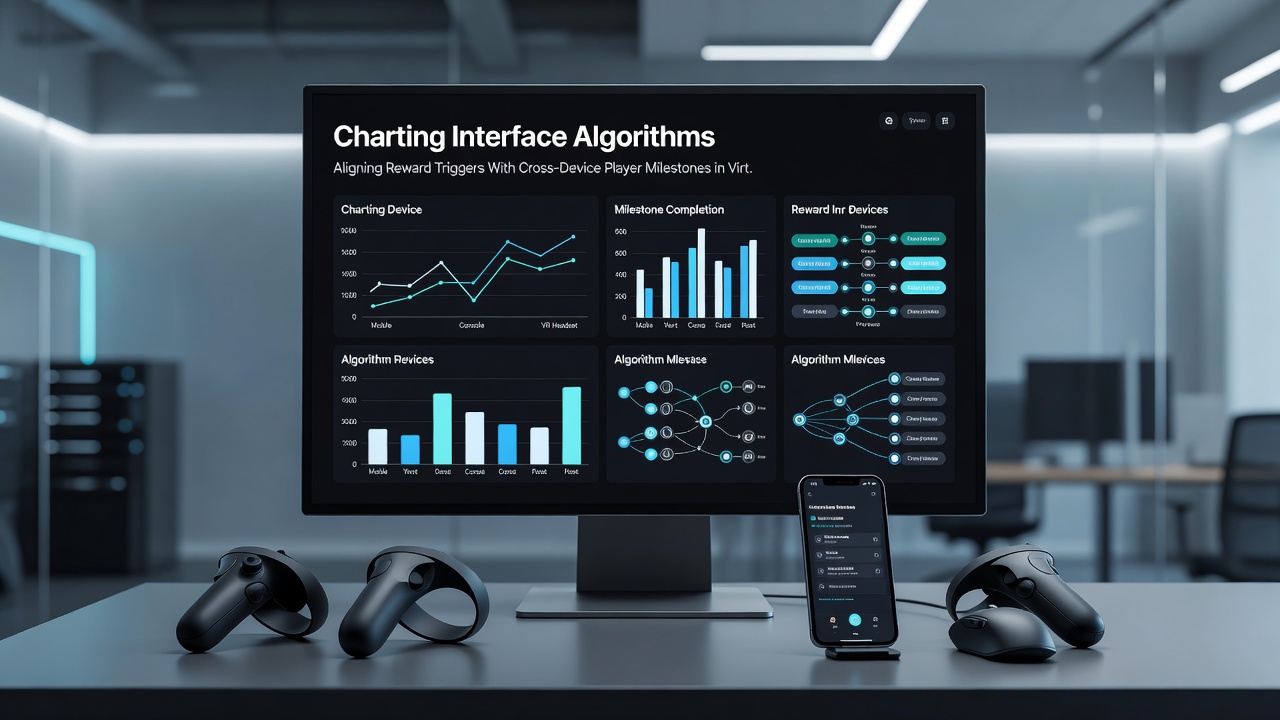
Algorithms chart reward triggers by establishing weighted connections between milestone types and device contexts, using machine learning models trained on historical player data to predict optimal activation points. Researchers discovered that patterns emerge when systems correlate mobile touch-based achievements with desktop keyboard-driven progress, adjusting trigger sensitivity accordingly to preserve fairness.
And yet the core remains focused on milestone alignment rather than device favoritism, as evidenced by studies tracking user cohorts who engage across several platforms simultaneously. Figures reveal that updates scheduled around June 2026 aim to incorporate enhanced predictive elements, allowing networks to anticipate cross-device shifts and pre-stage rewards for smoother delivery.
Regulatory and Operational Considerations
Regulatory bodies in multiple regions require transparent documentation of how these algorithms handle player data and reward distribution, ensuring alignment mechanisms meet standards for equity and security. Those monitoring compliance note that audit trails generated by the systems provide verifiable records of milestone completions and associated triggers, which supports oversight without restricting innovation in virtual environments.
What's significant is the integration with payment frameworks that activate alongside reward triggers, creating unified pathways where milestone achievements directly influence access to new features or tiers. This interconnected design helps maintain operational efficiency across expansive gaming networks that span geographic boundaries and device ecosystems.
Conclusion
Interface algorithms that align reward triggers with cross-device player milestones form a foundational element in modern virtual gaming networks, drawing on data integration and pattern recognition to deliver consistent experiences. As platforms evolve, continued refinement of these mechanisms supports broader adoption while meeting technical and regulatory demands in diverse markets.