Threshold Mapping in Cross-Border Payments Enabling Tiered Mobile Live Access
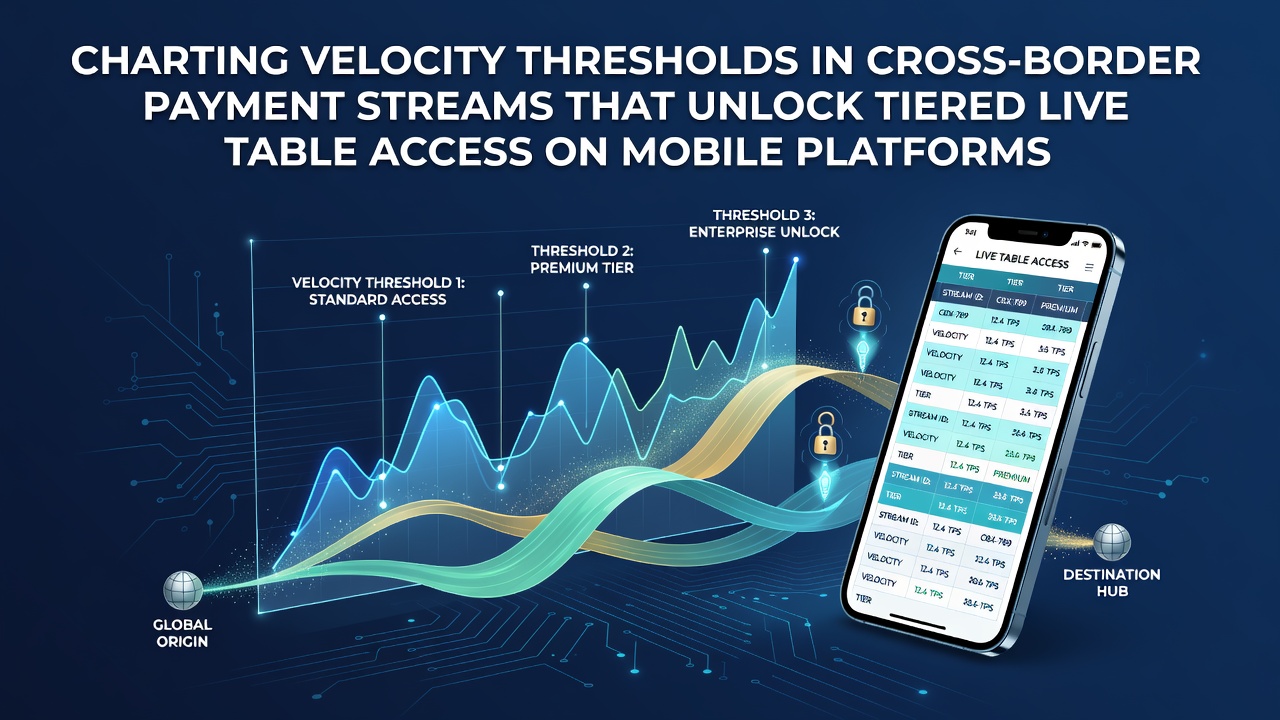
Payment networks process international transfers at varying speeds, and those rates determine when users gain entry to different levels of live dealer tables on mobile applications. Data from transaction monitoring systems shows that velocity thresholds, measured in transactions per hour combined with total volume over rolling windows, serve as the primary gatekeepers for tier progression in these environments.
Financial institutions and gaming platforms align their systems so that once a user's cross-border payment stream hits specific benchmarks, automated protocols grant access to higher-tier tables. These benchmarks often include minimum transfer frequencies of three per day sustained across seven days, along with cumulative values exceeding regional regulatory minimums for enhanced verification.
Core Components of Velocity Tracking
Systems record each incoming transfer's timestamp, origin country, and amount, then calculate rolling averages that feed into access algorithms. Observers note that platforms integrate these metrics directly with player account profiles, allowing real-time adjustments without manual intervention. When velocity remains below the lowest threshold, users stay restricted to entry-level tables with limited stakes and fewer simultaneous game options.
Researchers at institutions studying digital finance flows have documented how these calculations incorporate currency conversion delays and settlement times across different banking rails. For instance, transfers routed through traditional SWIFT networks move slower than those using instant payment schemes in regions covered by the European Central Bank oversight, which affects how quickly thresholds get met.
Regional Variations and Platform Integration
Platforms operating across multiple jurisdictions adjust thresholds according to local rules on fund movement. In Australia, guidance from the Australian Transaction Reports and Analysis Centre requires platforms to verify source of funds once velocity crosses certain lines, which in turn triggers tier unlocks for live table features on mobile devices. Similar patterns appear in Canadian provinces where provincial regulators coordinate with federal payment standards.
Mobile applications sync these backend calculations with user interfaces so that tier status updates appear immediately after a qualifying transfer settles. Engineers design the interfaces to display progress bars toward the next velocity milestone, using data pulled from secure APIs connected to payment processors.
Technical Implementation Across Networks
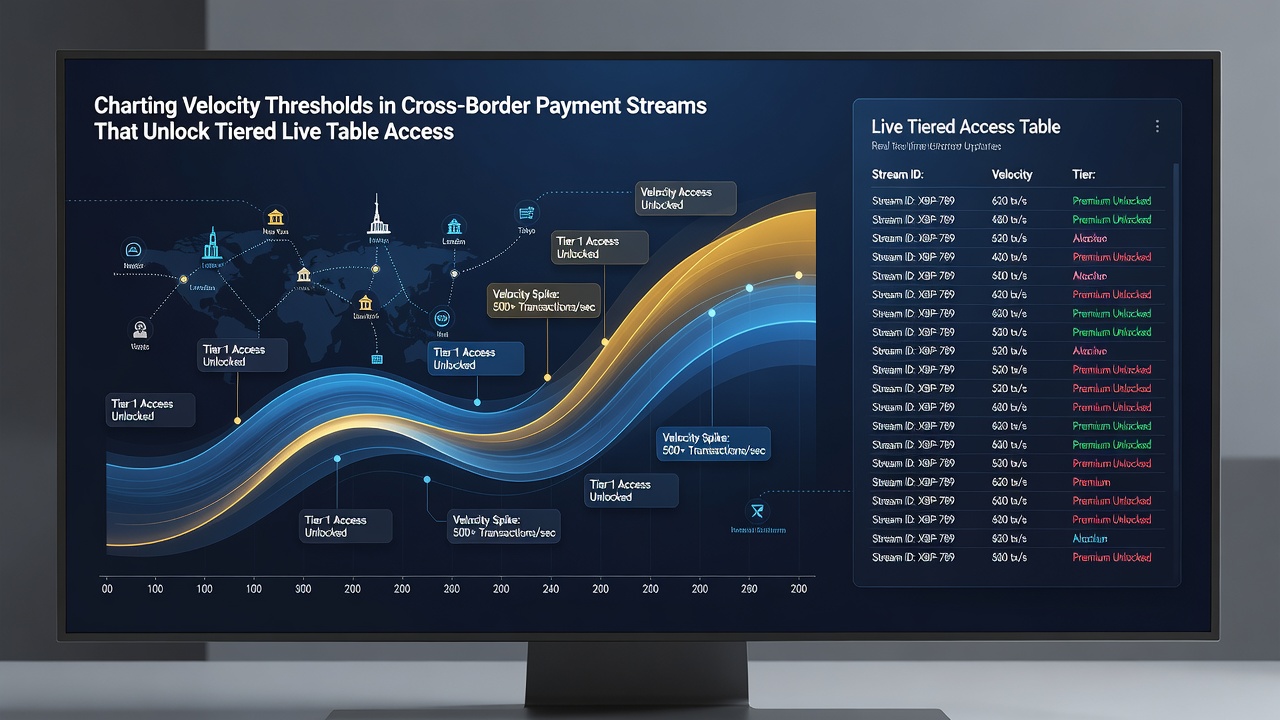
Developers embed velocity logic into both the payment gateway and the gaming server layers, ensuring consistency even when users switch devices. Studies on multi-platform environments indicate that synchronization occurs through encrypted data streams updated every fifteen minutes during active sessions. This approach prevents discrepancies that could otherwise block access despite meeting the numerical requirements.
Case examples from operators reveal that June 2026 marks the scheduled rollout of enhanced instant settlement features in several North American networks, which will shorten the time between transfer initiation and threshold recognition. Those changes should allow velocity calculations to complete within minutes rather than hours for supported corridors.
Security and Compliance Layers
Each velocity check runs alongside anti-money laundering screenings that reference watchlists maintained by international bodies. When a stream satisfies both speed and compliance criteria, the system automatically elevates the account to the corresponding live table tier. Reports from academic centers examining fintech-gaming intersections show this dual validation reduces manual reviews by over forty percent compared with volume-only models.
Operators maintain audit logs of every threshold crossing event, storing them for regulatory examinations that occur at fixed intervals. The logs capture origin IP addresses, device identifiers, and previous tier history to support pattern analysis across user bases.
Conclusion
Velocity thresholds function as measurable controls that convert cross-border payment activity into graduated access rights on mobile live table platforms. Continued refinement of these metrics, driven by updates in settlement technology and regulatory coordination, shapes how quickly users progress through available tiers. Data from multiple oversight sources confirms the model remains consistent across regions while adapting to local payment infrastructure differences.