Tracing Connected Reward Systems Across Multi-Platform Gaming: Onboarding to Achievement Tiers
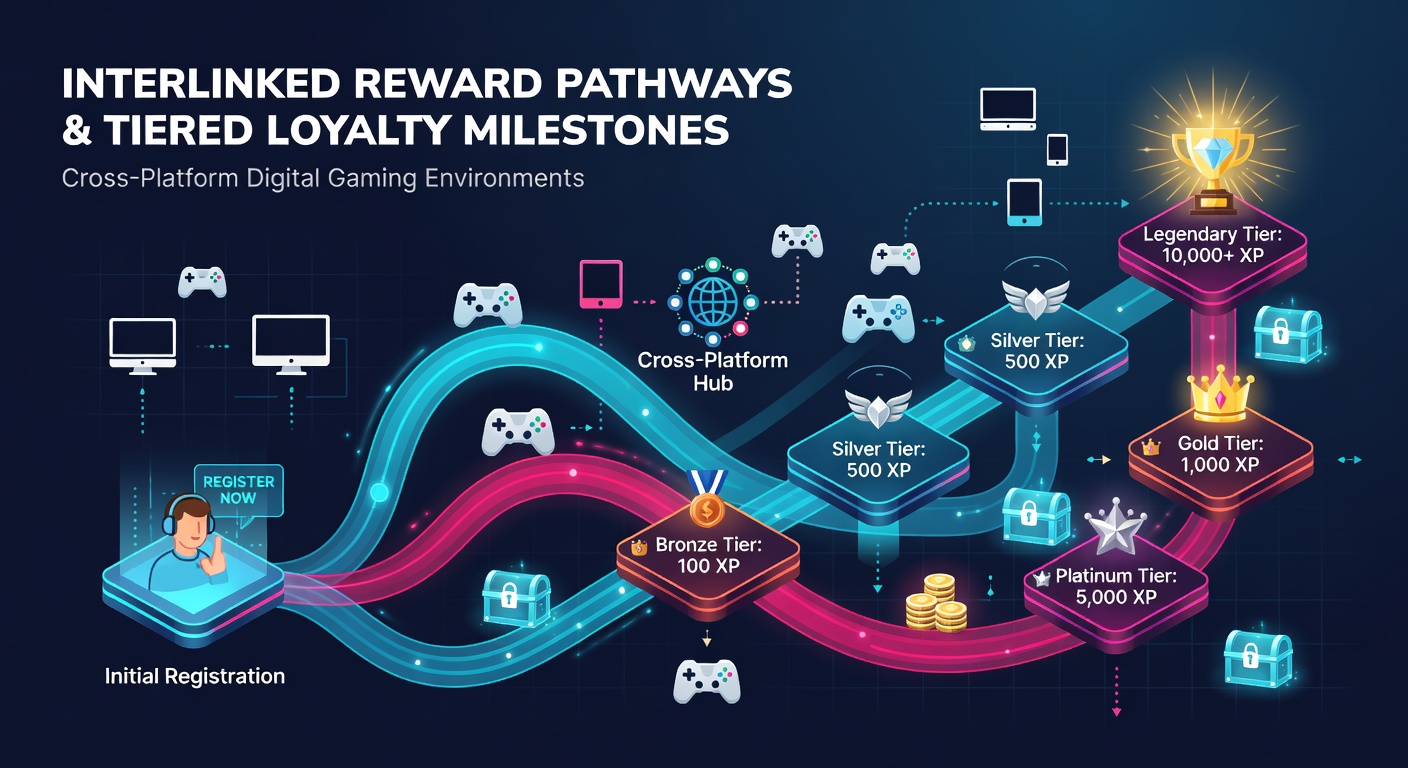
Digital gaming environments have developed intricate networks that link initial player registration with progressive loyalty milestones, and these systems operate across multiple platforms including consoles, mobile devices, and desktop interfaces. Data from industry reports indicate that such interlinked structures allow participants to accumulate rewards through coordinated tracking mechanisms that sync activity in real time.
Initial Registration and Entry-Level Incentives
Registration processes in these environments typically capture core user data at the point of account creation, after which automated systems assign baseline rewards such as starter packs or access tokens. Observers note that this phase establishes the foundation for all subsequent tracking, because unique identifiers generated during signup enable seamless data flow between devices. Research indicates that platforms employing unified databases reduce fragmentation in reward distribution by up to 40 percent compared with isolated systems.
Players often complete profile verification steps shortly after signup, and this verification unlocks the first tier of milestones while simultaneously feeding data into cross-platform ledgers. According to figures from the Interactive Games and Entertainment Association, registration completion rates climb when immediate small-scale rewards appear within the first session.
Building Tiered Structures and Milestone Mapping
Tiered loyalty frameworks expand on the initial entry point by defining progressive stages that require cumulative activity across game types and devices. Each tier incorporates specific thresholds measured in playtime, in-game accomplishments, or social interactions, and these metrics interconnect through centralized servers that update status regardless of access point. Experts have observed that milestone mapping relies on algorithmic linkages which prevent duplication while preserving continuity when users switch platforms mid-session.
One documented case from a major multi-platform title revealed that participants who engaged across three devices reached mid-tier status 25 percent faster than single-device users, because the system aggregated contributions automatically. Data shows that tier advancement frequently triggers layered benefits such as exclusive content access or accelerated point multipliers, all governed by the same interlinked database.
Cross-Platform Synchronization Mechanics
Synchronization occurs through API connections that transmit activity logs between environments, and these connections operate continuously to maintain accurate tallies. Studies from academic sources, including research published by the University of Alberta's gaming technology group, highlight how latency in cross-platform updates has decreased substantially in recent years due to improved cloud infrastructure. As of May 2026, several networks have implemented enhanced protocols that support near-instantaneous milestone recognition even during high-traffic periods.
But here's the thing: not all platforms employ identical synchronization standards, which means some environments still experience brief delays when transferring progress between mobile and console sessions. Industry organizations report ongoing efforts to standardize these protocols through collaborative working groups.
Interlinked Pathways and Data Integration
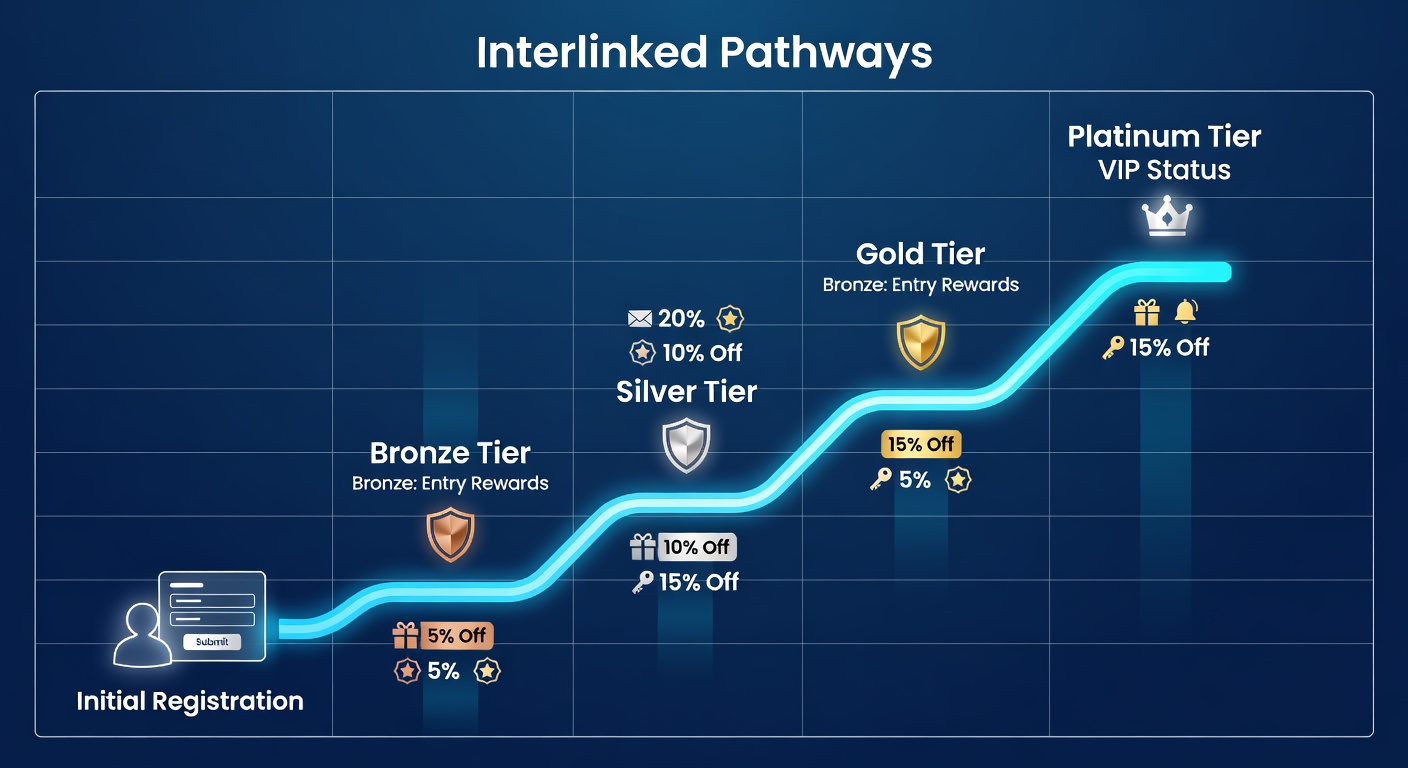
Interlinked pathways function by connecting disparate reward types into unified progress trees, allowing achievements earned in one title to influence eligibility in another. This integration relies on shared player profiles that store metadata across titles, and analysts note that such connections encourage broader participation within an ecosystem. Evidence suggests that players utilizing multiple titles within a linked network demonstrate higher retention rates according to aggregated platform statistics.
What's interesting is the role of conditional triggers within these pathways, where reaching one milestone automatically activates opportunities in parallel systems. For instance, completing a registration-based tutorial might feed directly into a tier requirement measured by total play hours across platforms. Researchers discovered through longitudinal tracking that these conditional links increase overall milestone completion by streamlining the path rather than isolating each objective.
Future Developments in Reward Connectivity
Developments scheduled around May 2026 include expanded use of blockchain elements for verifiable milestone records, which could further strengthen cross-platform integrity without centralizing all data storage. Government agencies in regions such as Australia and Canada have begun reviewing frameworks that address data portability in gaming reward systems, and these reviews focus on ensuring player control over accumulated progress. Trade associations continue to publish guidelines that encourage transparent mapping of how initial registration data flows into advanced tiers.
Conclusion
The architecture of interlinked reward pathways demonstrates measurable evolution from simple registration rewards to sophisticated tiered milestones that operate seamlessly across devices. Figures reveal consistent growth in adoption of these unified systems, driven by technical improvements and coordinated industry standards. Observers continue to monitor how these structures adapt to new platform integrations while maintaining consistent data accuracy for participants.