Verification Layers in Portable Casinos: Directing Pathways to Rewards and Table Play
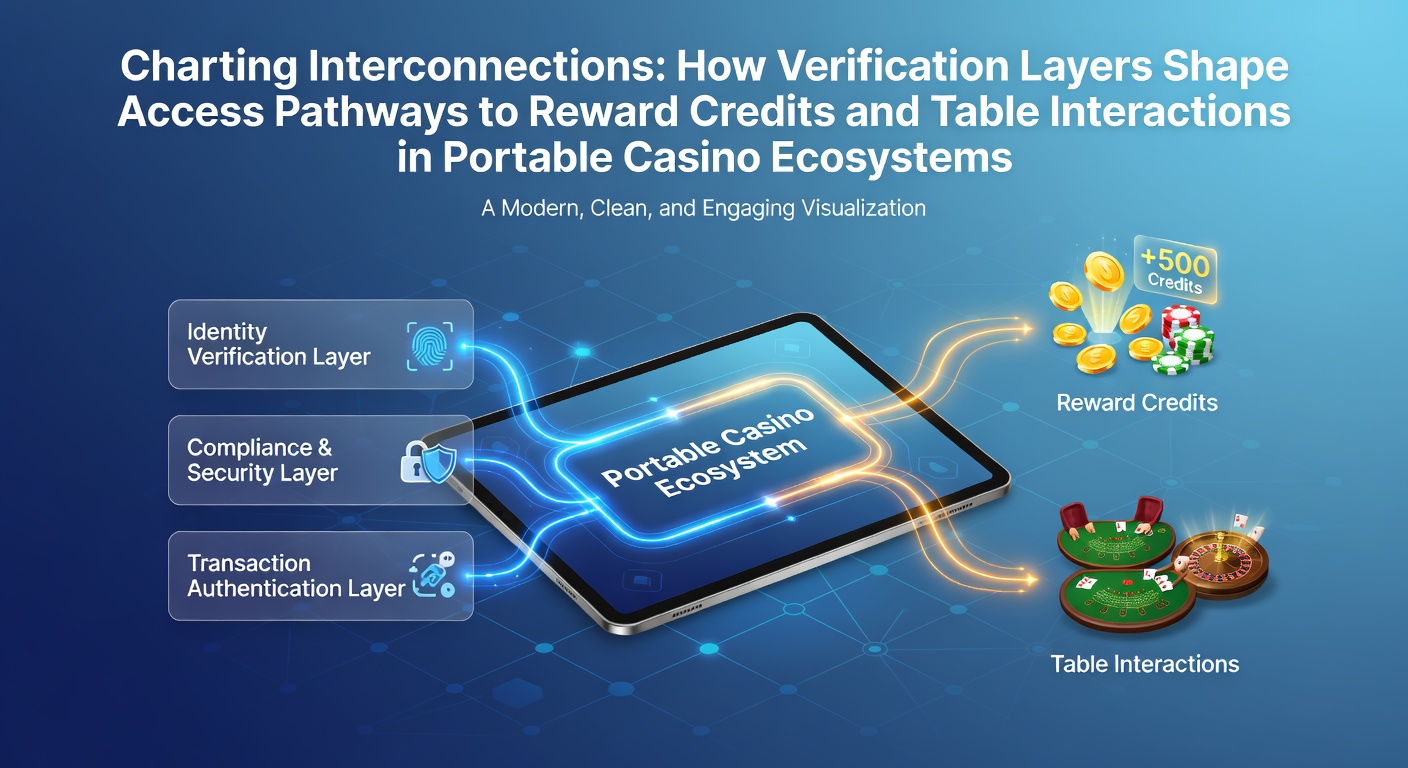
Portable casino ecosystems rely on layered verification processes that determine how users gain entry to reward credits and live table interactions, with each step building on identity confirmation, account validation, and compliance checks. These systems operate through mobile applications where initial registration triggers basic data collection, yet full access to promotional balances or dealer tables often requires additional documentation such as government-issued identification or address proof. Data from industry reports indicates that operators integrate these layers to align with regional regulations while managing player activity across devices.
Core Components of Verification Structures
Verification begins at signup with email or phone confirmation, then progresses to more rigorous steps once users attempt to claim reward credits or join table sessions. Researchers at various gaming technology centers have documented how automated software cross-references submitted details against external databases, flagging inconsistencies that delay or block further progression. In many cases, biometric options like facial recognition supplement traditional methods, creating faster pathways once initial approval occurs. Observers note that portable platforms prioritize these checks early because mobile environments allow continuous play sessions that span multiple game types.
Those who've examined operator workflows find that reward credits, including deposit matches and loyalty points, remain locked until verification reaches a certain threshold. This setup prevents unauthorized claims while directing verified accounts toward higher-value interactions. Table games, particularly live dealer variants streamed to smartphones, add another dimension since real-time participation demands stable accounts to handle bets and payouts without interruption.
How Layers Influence Reward Credit Access
Access pathways to reward credits narrow or widen depending on verification depth, with partial checks sometimes permitting small bonuses yet restricting larger offers or cashable portions. Figures from regulatory summaries reveal that jurisdictions in North America and parts of Europe enforce minimum verification standards before any promotional funds become active, reducing instances of duplicate accounts. Operators apply these rules uniformly across portable apps, ensuring consistency whether users switch between slots and table environments.
One study revealed that streamlined verification for returning players accelerates credit allocation, allowing seamless movement from bonus activation to wagering requirements. What's interesting here is the way automated reminders prompt users to complete pending steps, guiding them toward full reward eligibility without abrupt cutoffs. In practice, this creates predictable routes where verified profiles unlock escalating credit tiers tied to activity levels.
Shaping Interactions at Digital Tables
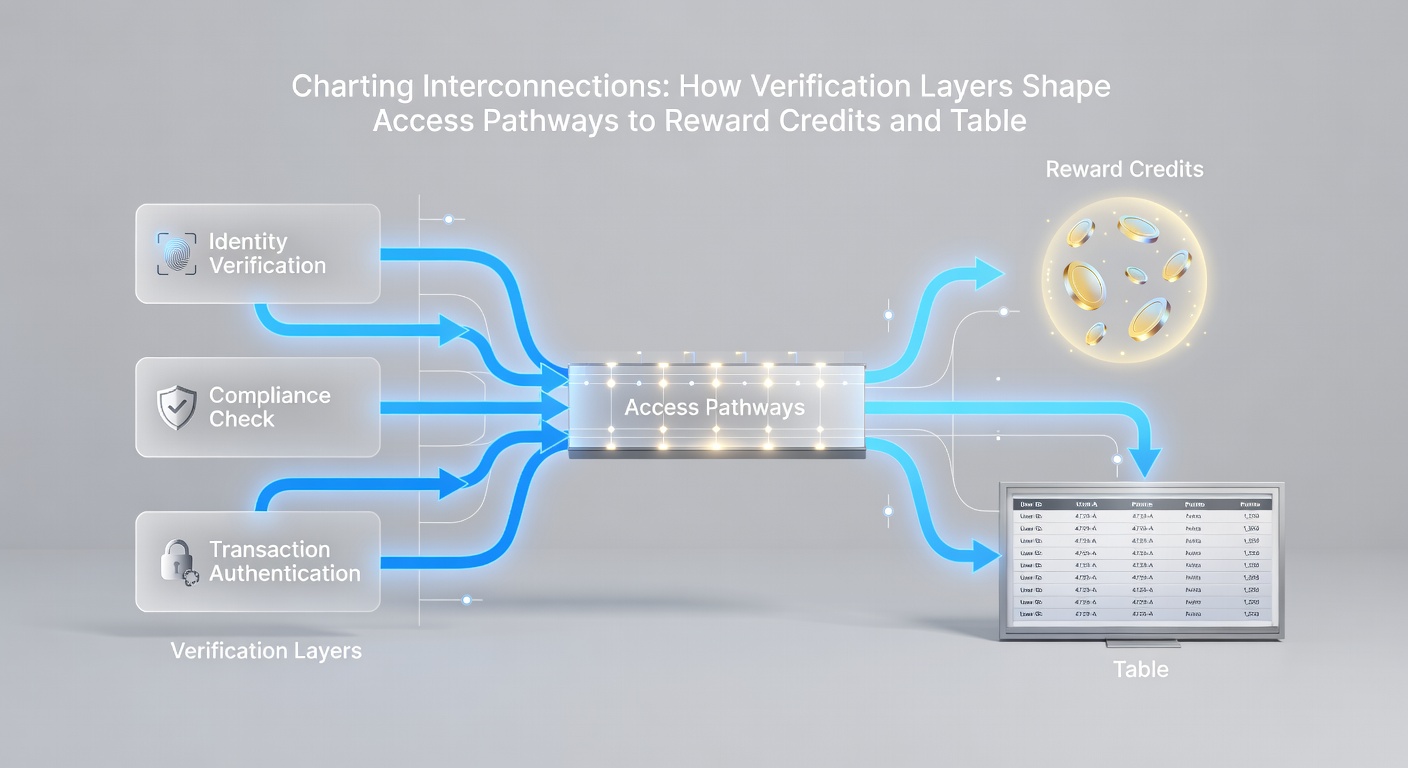
Table interactions in portable ecosystems depend on verification status because live dealer platforms require confirmed identities to comply with age restrictions and responsible gaming protocols. Experts have observed that unverified users may browse game lobbies but encounter restrictions when attempting to place real-money wagers at blackjack or roulette tables. This gating mechanism maintains order in high-volume mobile sessions where multiple tables run simultaneously.
According to findings shared by the Australian Gambling Research Centre, verification completion correlates with longer session durations at live tables since players avoid mid-game interruptions for additional checks. Portable apps often embed these verifications into account dashboards, letting users monitor progress toward unrestricted table access. Data shows regional variations, with some Canadian provincial frameworks emphasizing faster re-verification for frequent players to sustain engagement across devices.
Interconnections Across Mobile Platforms
Verification layers connect reward systems and table functions through shared backend databases that track compliance status in real time. When a player completes identity checks, both credit balances and table privileges update simultaneously, creating efficient pathways within the ecosystem. Industry associations have tracked how these interconnections reduce friction for verified accounts while directing new or returning users through structured onboarding sequences.
Turns out that portable casino networks increasingly incorporate API links between verification providers and game servers, allowing instant updates visible on mobile interfaces. In May 2026, scheduled enhancements to cross-platform verification standards are expected to roll out in select markets, potentially unifying credit and table access rules across more operators. This development builds on existing patterns where verified status serves as the common key for multiple features.
Regulatory and Technical Considerations
Regulatory bodies such as the New Jersey Division of Gaming Enforcement outline specific verification timelines that operators must meet before releasing reward credits or permitting table play. These guidelines influence portable app design by requiring clear user notifications at each layer. Technical teams integrate encryption and secure storage to protect the data flowing through these pathways, maintaining integrity during live interactions.
People who've analyzed transaction logs note that verification status directly affects payout speeds from reward credits earned at tables, with fully confirmed accounts processing requests more rapidly. Such linkages underscore the structured nature of access within these ecosystems, where each verified step opens subsequent options without altering core game mechanics.
Conclusion
Verification layers function as foundational elements that shape how reward credits and table interactions unfold in portable casino settings, with clear procedural sequences guiding user progression. Evidence from multiple sources demonstrates consistent application across mobile platforms, supported by regulatory frameworks that prioritize account confirmation. As developments like those planned for May 2026 approach, these interconnections continue to evolve in response to technical and compliance demands while preserving operational flow for all participants.