Verification Protocols Driving Reward Tiers in Multi-Platform Casino Environments
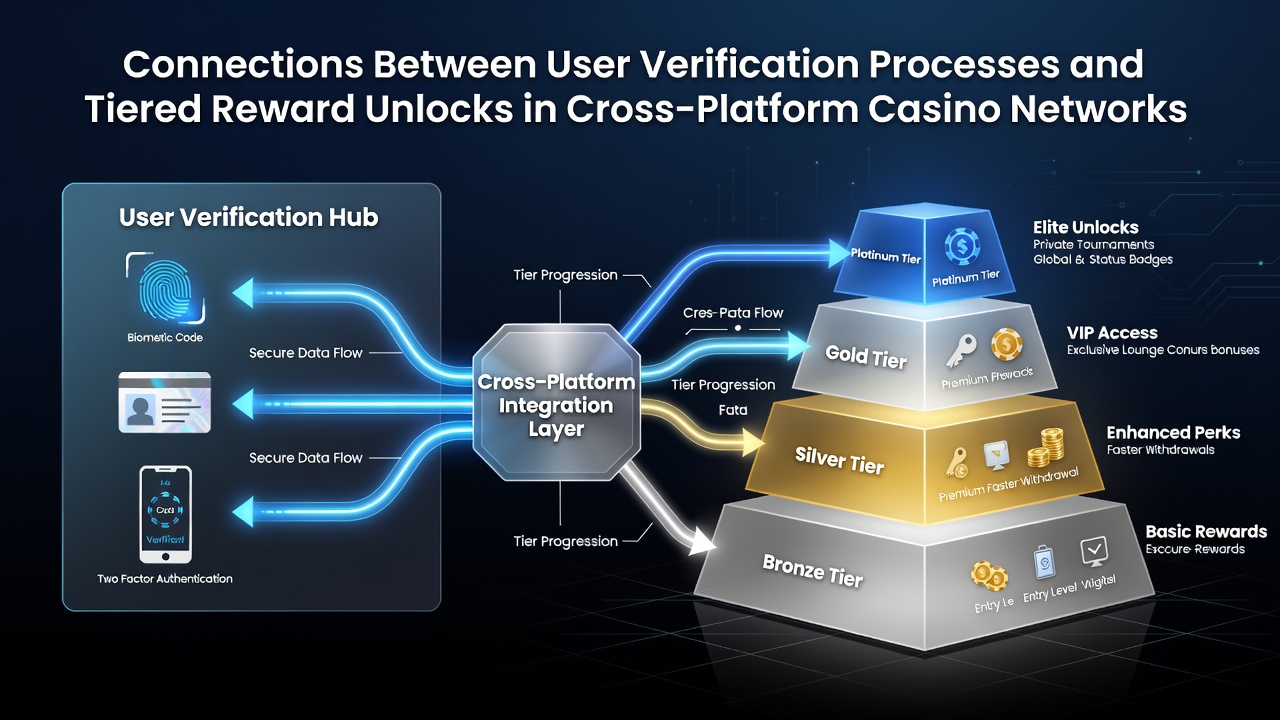
Cross-platform casino networks integrate user verification processes directly with tiered reward structures, creating pathways where identity confirmation unlocks progressive benefits such as bonus multipliers, exclusive table access, and loyalty point accelerators. These systems operate across mobile, desktop, and land-based interfaces, with data synchronization ensuring that verification status carries over between environments without requiring repeated submissions. Research from the University of Nevada, Reno indicates that platforms employing multi-factor authentication see higher completion rates for tier progression, as users advance from basic registration to full verification within the first 48 hours of activity.
Core Components of Verification in Reward Systems
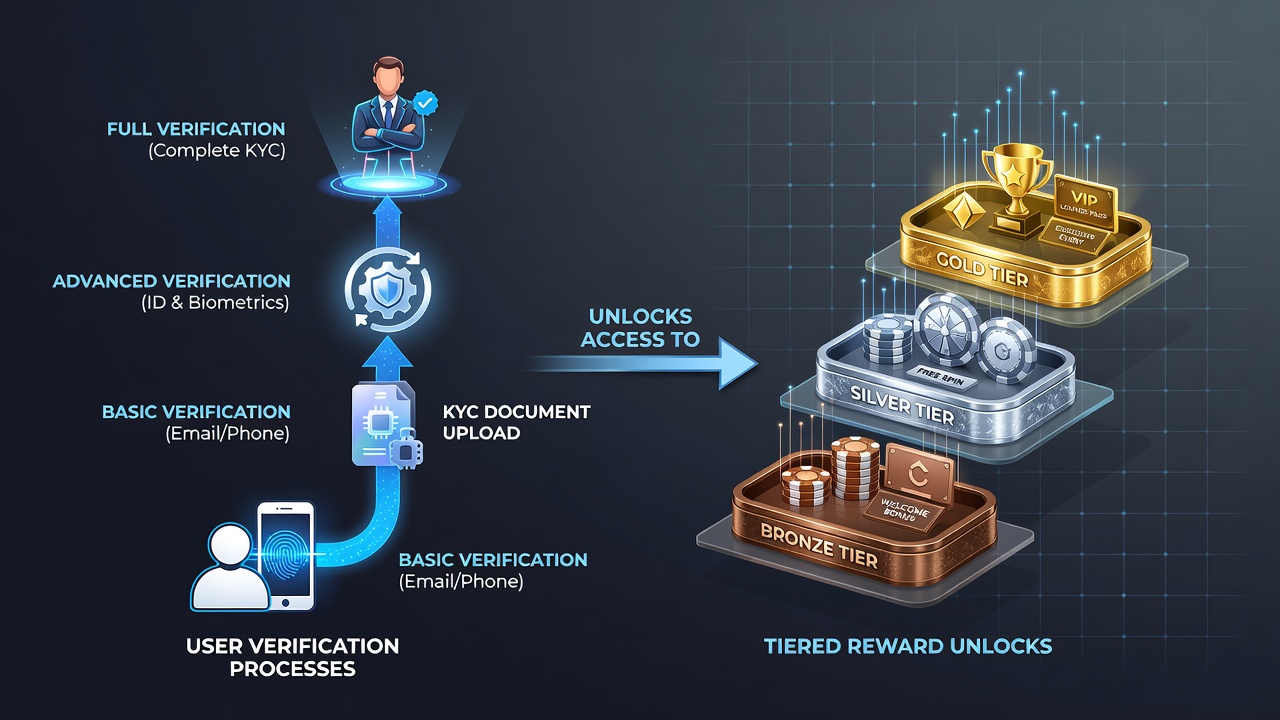
Verification begins with document uploads including government-issued identification, proof of address, and sometimes biometric data such as facial recognition scans, after which automated systems cross-reference this information against regulatory databases to assign an initial trust score. Once cleared, this score determines entry into reward tiers, where lower tiers offer standard deposit matches while higher ones unlock personalized cashback rates and invitation-only events. The Australian Communications and Media Authority reports that integrated verification tools reduce account creation drop-off by 34 percent in multi-state operators, allowing seamless movement between state-regulated markets and international platforms.
Operators link these verification checkpoints to backend algorithms that monitor play patterns, deposit frequency, and session duration, automatically promoting users when thresholds are met. For instance, reaching a verified status often triggers immediate access to a silver tier with enhanced free spin allocations, whereas unverified accounts remain capped at basic play limits. This connection prevents reward farming across multiple profiles, since each verified identity ties to a single reward ledger shared network-wide.
Cross-Platform Synchronization and Tier Progression
Data flows between platforms through centralized identity management systems that update tier status in real time, so a user completing verification on a mobile app receives the same tier benefits when logging into a desktop site or visiting a partnered land-based venue. Penn Entertainment's planned transition of Hollywood Casino Aurora in June 2026 incorporates similar cross-platform verification elements, enabling reward continuity for players moving between online and physical locations. Studies from the Canadian Gaming Association show that synchronized tiers increase average session length by 22 percent, as participants pursue higher unlocks without resetting progress.
Advanced platforms employ API connections to third-party verification providers, pulling in credit checks or sanctions lists to refine tier eligibility further. Users who pass enhanced due diligence gain access to platinum-level features including higher withdrawal limits and dedicated account managers, while those with partial verification stay in entry tiers until additional documents clear. This layered approach aligns with requirements from bodies such as the Malta Gaming Authority, which mandates clear documentation trails linking verification to reward distribution.
Security Measures and Reward Integrity
Encryption protocols protect verification data during transfer between platforms, while blockchain-based ledgers record tier advancements to prevent retroactive alterations. When a user achieves gold status after verification, the system logs the event across all connected servers, ensuring that reward redemptions remain consistent whether claimed via app or web interface. Observers note that these safeguards align with broader industry efforts to maintain compliance, particularly in regions where operators must demonstrate that rewards derive only from verified, single-account activity.
Periodic re-verification prompts appear at tier boundaries, requiring users to confirm details again before unlocking new benefits such as tournament entries or merchandise redemptions. This process deters account sharing, since mismatched data triggers temporary locks until resolution. Figures from European gaming reports reveal that networks enforcing annual re-checks experience 15 percent fewer disputes over reward eligibility, maintaining trust in the tier structure.
Regulatory Influences on System Design
Jurisdictions shape how verification connects to rewards, with some requiring explicit consent for data sharing across platforms before any tier benefits activate. In Canada, provincial regulators have outlined guidelines that tie verified player accounts to responsible gaming tools, automatically adjusting reward visibility based on self-exclusion status. Similarly, New Zealand's Department of Internal Affairs has examined models where verification status directly influences loyalty program access, creating uniform standards for cross-border operators.
These frameworks encourage development of unified dashboards where players view their current tier, pending verification tasks, and projected unlock dates in one interface. As networks expand, the emphasis remains on maintaining accurate records that support both player progression and regulatory audits.
Conclusion
Verification processes form the foundation for tiered reward systems in cross-platform casino networks, with each authentication step feeding into algorithms that govern benefit distribution. Data synchronization ensures continuity across devices and venues, while compliance requirements from multiple regions reinforce secure, traceable connections between identity confirmation and reward access. As operators prepare for events like the June 2026 land-based integrations, these linkages continue to evolve through standardized protocols and shared databases.